On this page
- Quick summary
- Overview (What is Form G-1651?)
- Context and workflow
- Failure prevention (What causes Form G-1651 rejections?)
- What it asks for (What does Form G-1651 ask for?)
- What you need (What do you need for Form G-1651?)
- Checklist (What is the Form G-1651 checklist?)
- Where to file
- Fees
- Strategy tips
- Common mistakes (What mistakes are common with Form G-1651?)
- Examples (What are examples for Form G-1651?)
- Common misconceptions (What misconceptions surround Form G-1651?)
- Edge cases and variations
- Scenarios
- Key differentiators
- Why it matters
- Next steps
- Verification
- Related guides
- Resources
Quick summary
#Check the official G-1651 instructions for the eligible follow-up scenarios this form covers, as described in the Form DS-2019 guide, as described in the Form DS-3035 guide.
When you need the agency to take follow-up action on an already approved case
Include it with your application package and follow official instructions for submission.
Names, dates of birth, and passport details on other forms Program checklist requirements Supporting documents and translations
Overview (What is Form G-1651?)
#As with all USCIS processes, careful attention to detail and adherence to instructions are essential for a successful application, as described in the USCIS Petition vs Visa Application guide, as described in the Visa Reciprocity Schedules guide.
First page of G-1651 form
Source: G-1651 online portal
Context and workflow
#Receive a Receipt Notice (a related form) acknowledging the exemption request.
Why this matters
- This form acts as a cross-check point: details here must match other forms and supporting documents.
- Small mismatches inside G-1651 (or between G-1651 and supporting evidence) can force rework later in processing.
Where it fits in the workflow
- Processing time for G-1651 varies by case type and current workload — always check the official USCIS processing time tool.
- Supporting documentation for fee payment processes.
- Part of the initial application submission when electronic payment is not possible.
Who uses it
Check the official G-1651 instructions for the eligible follow-up scenarios this form covers.
When it is used
- When you need the agency to take follow-up action on an already approved case
- To request action related to an existing approval or record, as described in the instructions
- After a prior approval when a specific agency action is required
- [object Object]
- [object Object]
Failure prevention (What causes Form G-1651 rejections?)
#Technical rejections
- Submitting a money order and a G-1450 in the same package.
- Not dating the check within the previous 365 days.
- Ensure form edition is current
Substantive weaknesses
- Failing to provide adequate evidence of hardship or inability to use electronic payment methods.
- Not marking whether the account is a business or personal account on related forms.
What it asks for (What does Form G-1651 ask for?)
#- Request for exemption from electronic fee payment
- Details of the payment method being used
- The specific follow-up action you are requesting (what you want the agency to do).
- Prior case identifiers (such as receipt/notice details), if available.
- Supporting documents tied to the follow-up action you are requesting.
- A separate payment for each benefit request, we can accept the complete Form N-400 and reject the Form N-400 that is missing a signature
- Documentation related to: Complete all required sections, sign, and submit with required evidence
Sources for this section
What you need (What do you need for Form G-1651?)
#- The current edition of G-1651
- Completed Form G-1651, Exemption for Paper Fee Payment
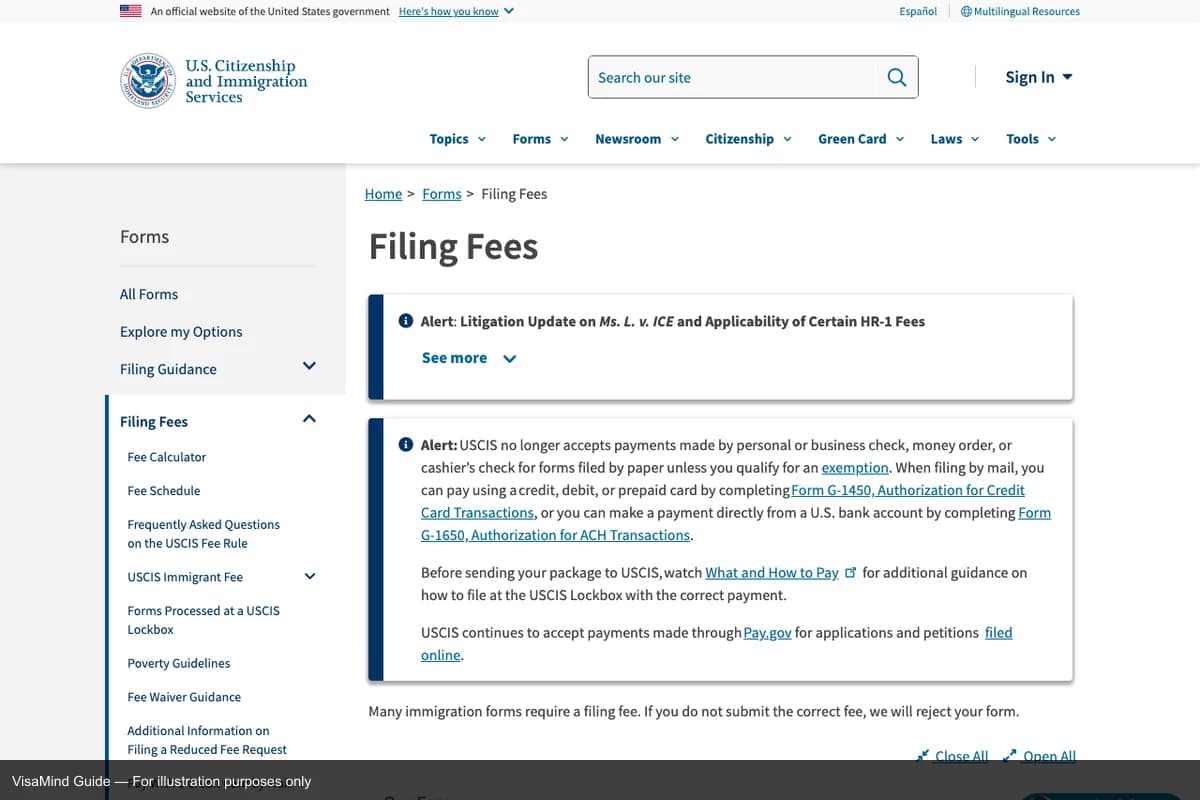
- Payment in the form of a check, bank draft, cashier’s check, certified check, or money order
- Separate payment for each benefit request
- Complete all required sections, sign, and submit with required evidence.
- [object Object]
Checklist (What is the Form G-1651 checklist?)
#- To begin, ensure you have the latest version of Form G-1651 by downloading it along with its instructions from the official USCIS website.
- Review the G-1651 instructions for the follow-up action this form covers
- Complete all required sections of G-1651
- Sign, date, and submit G-1651 with all required supporting evidence
Sources for this section
Where to file
#Online filing is available for some categories — verify on the official form page. Otherwise, file by mail to the address in the instructions.
File online
Form G-1651 is used to request an exemption from the requirement to pay USCIS fees electronically. It allows applicants to pay using paper-based methods under specific circumstances.
Submit application
Form G-1651 is used to request an exemption from the requirement to pay USCIS fees electronically. It allows applicants to pay using paper-based methods under specific circumstances.
Filing locations and procedures may change. Always verify on the official USCIS website before submitting. For related guidance, see Application to Register Permanent Residence or.
Fees
#There is no USCIS filing fee for Form G-1651.
Strategy tips
#Common mistakes (What mistakes are common with Form G-1651?)
#- Including both a money order and a Form G-1450 in the same package, even if their combined total matches the required fee, is a common mistake.
- Failing to date your check within the past 365 days.
- Failing to include accurate routing and account numbers on Form G-1650.
- Including both Form G-1450 and Form G-1650 within a single package.
- Failing to indicate whether the account is business or personal on Form G-1650.
Sources for this section
Examples (What are examples for Form G-1651?)
#- An applicant submits Form G-1651 without specifying the reason for exemption and receives a rejection, illustrating a weak application.
- [object Object]
Common misconceptions (What misconceptions surround Form G-1651?)
#- Filing this form does not guarantee approval of the underlying case
- This form does not create a new benefit by itself
- Some applicants assume that submitting Form G-1651 will expedite their application process, but it only addresses the method of fee payment.
Edge cases and variations
#- If you are asked to submit or update G-1651, treat it as a package update: check every place the same details appear and keep them consistent.
Scenarios
#A software engineer submitted their petition with all supporting documents
The case was approved within the standard timeline
Prepare all evidence before filing to avoid delays
Key differentiators
#- Unlike Form G-1450: Form G-1651 allows for paper-based payments under specific exemptions, unlike Form G-1450 which is for electronic credit card transactions.
- Unlike Form I-485: Application to Register Permanent Residence or Adjust Status: Supporting form: Paper fee payment exemption (Fee Waiver pathway)
- Unlike Form AR-11: Alien's Change of Address Card: Related form in this immigration process (Fee Waiver pathway)
- Unlike Form I-130: Petition for Alien Relative: Common companion form in many filing packages
- Unlike Form I-765: Application for Employment Authorization: Common companion form in many filing packages
Why it matters
#Paper-based payments must be drawn on a U.S. financial institution and payable in U.S. funds.
Why it matters: Ensures that payments are processed correctly and not rejected due to currency issues.
You cannot combine a paper-based payment with any other payment methods.
Why it matters: Combining payment methods can lead to rejection of the application package.
Next steps
#- Receive a Receipt Notice (a related form) acknowledging the exemption request.
- USCIS reviews the exemption request and supporting documentation.
- Receive a decision on the exemption request.
Verification
#This guide is based on official USCIS instructions for G-1651 and is updated with changes in form editions or filing rules. Always confirm current requirements on the official USCIS website.
Resources
#FAQs
What does filing G-1651 actually accomplish?
Review the official instructions to understand how it applies to your situation. Review the official G-1651 instructions for complete guidance specific to your immigration case and circumstances.
What happens if I submit Form G-1651 incorrectly?
If Form G-1651 is submitted incorrectly, it may be rejected, and you may need to resubmit with the correct information.
What is G-1651?
Form G-1651, known as the Exemption for Paper Fee Payment, is an official document provided by USCIS. To ascertain its relevance to your circumstances, carefully examine the official instructions.
When will G-1651 be processed and what is the workflow?
Processing timing for G-1651 varies depending on the filing category, processing location, and current application volume. Standard processing can range from a few weeks to several months. Before submitting, check the official USCIS processing times tool for the most current estimates. After filing, monitor your case status and consider whether expedited options are available.
VisaMind provides informational guidance only and is not a government agency. This is not legal advice. Requirements can change and eligibility depends on your specific facts. If your case is complex or high-stakes, consult a licensed immigration attorney.
Next steps
Requirements vary by nationality, purpose, timeline, and case details. Use Find My Visa to get a personalized checklist with official sources and deadlines.
Find my visa