Official sources referenced
How This Entry Permit Works
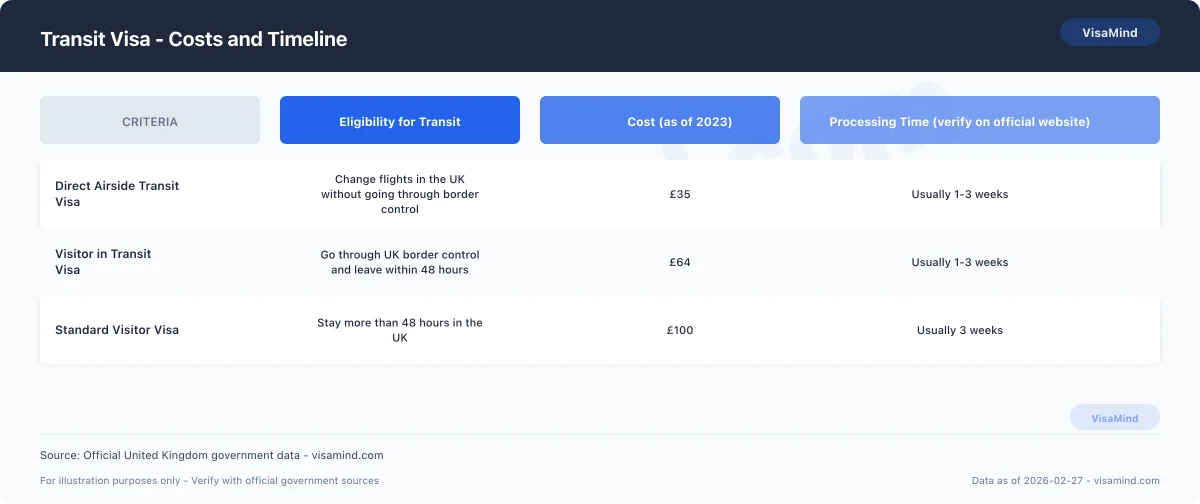
#A Transit Visa may be necessary if you plan to pass through the United Kingdom en route to another destination. Specifically, you will need to determine whether a Direct Airside Transit Visa or a Visitor in Transit Visa is required. A Direct Airside Transit Visa is necessary if you will be changing flights in the UK without passing through UK border control. Conversely, a Visitor in Transit Visa is required if you will pass through UK border control but will leave the UK within 48 hours. If your stay exceeds 48 hours, a Standard Visitor Visa is needed.
Who Needs a Transit Visa?
Not everyone requires a Transit Visa for the UK. You are exempt from needing one if you possess an Electronic Travel Authorisation (ETA), an EU Settlement Scheme family permit, or a Home Office travel document, such as those given to refugees or stateless persons. Additionally, if you already have a Standard Visitor Visa, you do not need a separate Transit Visa.
Tip: Always check your eligibility before applying for a Transit Visa to ensure you choose the correct visa type.
What a Transit Visa Permits
A Transit Visa allows you to transit through the UK on your way to another country, but it does not permit you to stay longer than the designated transit period. With a Direct Airside Transit Visa, you must remain in the airport's international transit area and cannot go through UK border control. With a Visitor in Transit Visa, you can enter the UK but must depart within 48 hours.
What a Transit Visa Does Not Permit
A Transit Visa does not allow you to engage in activities such as sightseeing, visiting family or friends, or conducting business meetings. For any of these purposes, you would need a different type of visa, such as the Standard Visitor Visa. Similarly, a Transit Visa does not permit prolonged stays or residency in the UK. If you plan to study or work in the UK, alternative visas, such as the Student Visa or Skilled Worker Visa, should be explored.
For more details on the application process and required documents, refer to the How To Apply guide.
Eligible Nationalities
#When traveling through the United Kingdom on your way to another country, you may need a transit visa. However, there are specific nationalities and passport types that are exempt from this requirement. Below is a detailed overview of eligible nationalities, passport types, and notable exceptions.
Nationalities Requiring a Transit Visa
Most travelers will need to apply for a transit visa unless they fall under specific exemptions. If your nationality is not listed in the visa-free or exempt categories, you will likely need to secure a transit visa to pass through the UK.
Exceptions to Transit Visa Requirement
Certain individuals do not require a transit visa when passing through the UK. Consider the following exemptions:
- Electronic Travel Authorisation (ETA): If you have an ETA, you are exempt from needing a transit visa.
- EU Settlement Scheme Family Permit: Holders of this permit do not need a transit visa.
- Home Office Travel Document: If you possess a travel document issued by the Home Office, such as those for refugees or stateless individuals, you are exempt.
- Standard Visitor Visa: If you already have a valid Standard Visitor Visa, a separate transit visa is not required.
Tip: Before proceeding with your travel plans, always check if you qualify for any of these exemptions to avoid unnecessary visa applications.
Passport Types Affecting Visa Requirements
The type of passport you hold can also influence whether you need a transit visa:
- Diplomatic and Official Passports: Holders of these passports from certain countries may have different or relaxed requirements.
- Refugee and Stateless Person Travel Documents: As mentioned, these documents issued by the Home Office can exempt you from needing a transit visa.
For those needing a broader overview of visa types, consider exploring related options like the Standard Visitor Visa or the Student Visa if your travel plans involve longer stays.
Keep in mind that travel requirements can change, so it is essential to verify your specific situation with the most recent guidelines from UK Visas and Immigration (UKVI).
How to Apply
#Determine Your Visa Type
Before you start your application for a transit visa, it is crucial to determine whether you need a Direct Airside Transit visa or a Visitor in Transit visa. If you will not be going through UK border control, apply for a Direct Airside Transit visa. However, if you plan to pass through UK border control but leave the UK within 48 hours, apply for a Visitor in Transit visa. If you need to stay longer than 48 hours, consider applying for a Standard Visitor Visa.
Check Exemptions
Not everyone requires a transit visa to pass through the UK. You may be exempt if you have an electronic travel authorisation (ETA), an EU Settlement Scheme family permit, a Home Office travel document (for refugees or stateless persons), or a Standard Visitor visa. Ensure you check these exemptions before proceeding with your application to avoid unnecessary steps.
Online Application Steps
Once you've confirmed your need for a transit visa and determined the correct type, you can proceed with the online application process through UK Visas and Immigration (UKVI). Follow these steps:
-
Visit the official UKVI website and navigate to the transit visa application section.
-
Create an account and begin your application by entering your personal and travel details. Ensure all information is accurate and up-to-date.
-
Gather your supporting documents, such as proof of onward travel and any relevant personal or financial information.
-
Review your application thoroughly before submitting it to ensure all details are correct and complete.
Processing Time and Cost
The processing time for a transit visa application can vary, but it typically takes around 3 weeks. However, it is advisable to verify current processing times on the official UKVI website as they may change. The cost for a transit visa is subject to change, so ensure you check the most recent fee structure when you apply.
Tip: Submitting your application well in advance of your travel date can help avoid any last-minute complications.
Next Steps
After you have submitted your application, you will receive a confirmation email from UKVI. You may be required to attend a biometric appointment as part of the process. Keep an eye on your email for any updates or requests for further information from UKVI.
For more detailed guidance on the application process, you might find the How To Apply guide helpful. Additionally, if you are considering other types of visas, such as the Student Visa, explore the different options available for your specific situation.
Rules and Restrictions
#The United Kingdom's transit visa options cater to travelers passing through the country en route to another destination. Understanding the rules and restrictions is essential when planning your journey.
What Are the Types of Transit Visas?
If you are transiting through the UK, you may need one of the following visas:
- Direct Airside Transit Visa (DATV): Suitable if you are changing flights in the UK and will not pass through UK border control.
- Visitor in Transit Visa: Required if you will pass through UK border control but intend to leave the UK within 48 hours.
Important: You don't need a transit visa if you have an electronic travel authorisation (ETA), an EU Settlement Scheme family permit, a Home Office travel document, or a Standard Visitor visa.
Duration and Conditions
The duration of your stay in the UK while on a transit visa is strictly regulated:
-
Direct Airside Transit Visa: You must remain airside and cannot enter the UK. Your stay is limited to the time between your connecting flights.
-
Visitor in Transit Visa: You are allowed to enter the UK but must depart within 48 hours. If you need to stay longer or wish to explore the UK, consider applying for a Standard Visitor Visa.
Can You Make Multiple Entries?
Transit visas typically do not allow multiple entries. Each transit through the UK would require a separate visa unless otherwise stated in your application outcome. For longer stays or multiple entries, explore other visa options such as the Standard Visitor Visa.
Key Transit Rules
Before applying, determine whether you will go through UK border control. This decision affects which transit visa you need:
- No border control: Apply for a Direct Airside Transit Visa.
- Passing through border control: Apply for a Visitor in Transit Visa.
Tip: Always verify if you need a transit visa based on your current travel documents and destination. This can prevent unnecessary applications and ensure compliance with UK immigration rules.
For more information on transit options and other visas, check the Visa Refusal Reasons and Documents Checklist to ensure you meet all requirements.
Common Issues and Denied Entry
#A software engineer from India planned to attend a conference in Canada, with a layover in the United Kingdom. He assumed a Direct Airside Transit visa would suffice, as he intended to change flights without leaving the airport. However, due to a sudden flight rescheduling, he needed to pass through UK border control to catch a connecting flight from a different terminal. Upon applying through UK Visas and Immigration (UKVI), his application was denied because he required a Visitor in Transit visa.
After consultation, he reapplied correctly, referencing guidance on the Visa Refusal Reasons guide, and was granted the appropriate visa within three weeks. He was advised to double-check the Documents Checklist to ensure compliance in future travels.
Scenario: Overstaying Transit Visa
A Brazilian journalist was transiting through the UK on her way to a press event in Paris. Due to unforeseen circumstances, her connecting flight was cancelled, causing her stay in the UK to exceed the 48-hour limit set by her Visitor in Transit visa. Concerned about potential repercussions, she contacted the UKVI helpline immediately.
The UKVI advised her to apply for a Standard Visitor visa if she anticipated further delays, highlighting the risk of an overstay affecting future visa applications. Following this advice, she successfully obtained a short-term visa extension, allowing her to remain legally in the UK until her rescheduled flight. Her proactive approach prevented any negative impact on her travel record.
Know When to Get Help
#Visa-free and eTA applications are usually straightforward for United Kingdom immigration. But certain situations can turn a routine entry into a problem at the border. Consider consulting an immigration attorney or accredited representative if:
- You've been denied entry before or have a complicated travel history
- You're unsure whether you need a visa or qualify for visa-free entry
- You have a prior visa denial or refusal
- You have a prior overstay, unlawful presence, or removal order
- You have a criminal record, arrest history, or pending charges
- You have a prior misrepresentation or fraud finding
- You are in removal or deportation proceedings
What Happens at Arrival
#When you arrive in the United Kingdom with a transit visa, you will need to be prepared for the immigration process. This involves presenting the necessary documentation and potentially answering questions regarding your travel plans.
Documents to Carry
- Valid Passport: Ensure your passport is valid for the duration of your transit.
- Transit Visa: Have your transit visa readily available, if required.
- Proof of onward travel: This includes your ticket or boarding pass for your next flight.
- Visa for Next Destination: If required, have the visa for your onward destination ready.
- Supporting Documents: Carry any additional documents that may support your transit, such as hotel reservations, if applicable.
Tip: You do not need a transit visa if you have a Standard Visitor visa, an electronic travel authorisation (ETA), or an EU Settlement Scheme family permit.
What to Expect at Immigration
- Border Control: If you have a Visitor in Transit visa, you will go through UK border control. Be prepared to present your documents and answer questions.
- Direct Airside Transit: If you have a Direct Airside Transit visa, you will not go through UK border control, but you will still need to show your documents to airline staff.
- Security Checks: Standard security checks will be performed, so ensure you follow all security guidelines.
Common Questions
- Purpose of Travel: Be prepared to explain that you are transiting through the UK and your final destination.
- Length of Stay: Since Visitor in Transit visas require you to leave within 48 hours, be ready to confirm your departure details.
- Supporting Information: You may be asked about your travel itinerary, so have this information clear and accessible.
For a seamless experience, it’s crucial to ensure all your details are consistent and your documents are in order. For more information on different visas, consider exploring the Marriage Visitor Visa or the Permitted Paid Engagement Visa.
Red Flags at Entry
#
It's important to be aware of potential red flags at entry. These issues could lead to delays or even denial of entry, so understanding them in advance is crucial.
Prior Overstays
If you have previously overstayed a visa in the UK, this can significantly impact your current application. UK Visas and Immigration (UKVI) takes prior immigration history seriously. Overstaying can lead to questioning at entry and might affect your eligibility for future visas. It’s advisable to be prepared to explain any past overstays and demonstrate your intent to comply with current visa conditions.
Passport and Document Issues
Ensure your passport is valid for the entire duration of your transit through the UK. Passports with damage, missing pages, or that are expired can raise concerns with UK Border Force upon entry.
- Tip: Check your passport's validity well ahead of your travel date to avoid last-minute issues.
Inadmissibility Grounds
Certain factors can make you inadmissible to the UK, such as criminal records or past immigration violations. UKVI may deny entry if you are deemed a risk to public safety or have previously been deported.
- Important: If you have any criminal convictions or other grounds that could make you inadmissible, consult with a legal professional before applying.
Purpose Mismatch
A common mistake is applying for the wrong type of visa based on your travel plans. For instance, if you apply for a Direct Airside Transit Visa but plan to pass through UK border control, this could lead to denial of entry. Similarly, if you're staying longer than 48 hours, you should consider a Standard Visitor Visa.
To prevent issues, carefully review the visa requirements and ensure that your travel itinerary matches the visa type you are applying for. If you’re unsure about your eligibility or which visa to apply for, consulting the Visa Refusal Reasons and Documents Checklist can provide additional clarity.
Required forms
#Next steps
#Use Find My Visa to build a sequenced plan with official sources and deadlines.
VisaMind provides informational guidance only and is not a government agency. This is not legal advice. Requirements can change and eligibility depends on your specific facts. If your case is complex or high-stakes, consult a licensed immigration attorney.
Next steps
Requirements vary by nationality, purpose, timeline, and case details. Use Find My Visa to get a personalized checklist for United Kingdom with official sources and deadlines.
Find my visa